


🌿 OVERVIEW
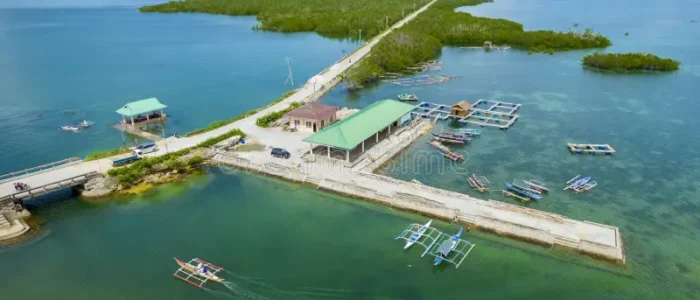
“Bridging the shores of Calape and Pangangan Island, this mangrove-lined road protects travelers from harsh winds and seas. Today, it stands as a testament to the community’s ambition to connect the two islands.”
👀 WHAT TO SEE
Built in the early 1950s, it is officially part of the Calape Group of Islands Mangrove Swamp Forest Reserve. The causeway is essential for the local fishing economy. The surrounding mangrove forest acts as a buffer against strong winds and waves.
Unlike manicured forest parks, there are no grand boardwalks or huge tourist facilities. Yet if you walk its edges or paddle slowly through narrow channels, you’ll see the logic behind centuries of coastal adaptation: trees that grow where land meets sea, communities that learned to work with nature’s rhythms rather than fight them.
🛺 HOW TO GET THERE
- Accessible by tricycle.
- From Calape’s public market, the journey is roughly 10 minutes
For travelers and locals alike, the Causeway is a reminder that the most resilient landscapes aren’t always the flashiest ones — they’re the ones people and nature built together.