
“Discover a town where history meets coastal charm”.
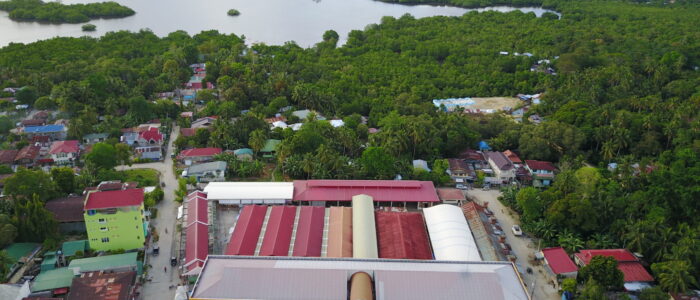
Calape, Bohol, has long been a hub for traders and fishermen, making it an early center of local commerce. Today, it’s a lively coastal town known for its rich cultural heritage, stunning beaches, and historic landmarks.
A Town with a Rich History
From its earliest days as a gathering place for traders, Calape has been shaped by commerce, community, and culture. Its name reflects its origins as a meeting point for regional residents.
Original name: Kalapi, a type of rattan that was once abundant in the area.
Established as a town: 1802
Spanish Era & Town Establishment
In the 16th century, Spanish settlers brought new customs, governance, and even changed the town’s name from Kalapi to Calape. The town was officially recognized by the Spanish governor of Cebu in 1802, marking its importance in the region.
The spelling of “Calape” also came from this period. While the original word used the letter “K,” Spanish writing usually used “C” or “Qu” for the same sound. Because of this, “kalapi” was written as “Calape” in official records.
Connection to the Dagohoy Rebellion
Dagohoy Rebellion Connection
Calape played a role in the Philippines’ longest rebellion. In 1829, about 1,500 followers of the Dagohoy Rebellion settled here, highlighting the town’s place in local resistance against colonial rule.
American Period & Modernization
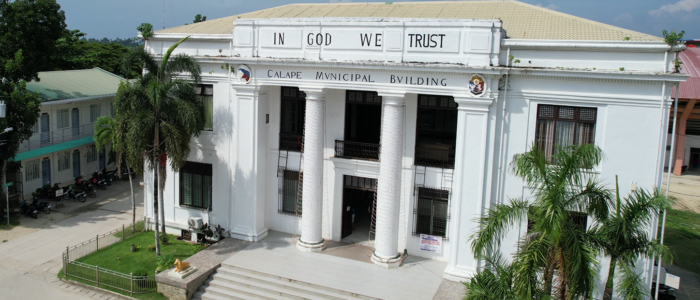
After the Spanish-American War, Calape adopted American governance, infrastructure improvements, and expanded education. This period shaped the town into the thriving municipality it is today.
World War II Significance
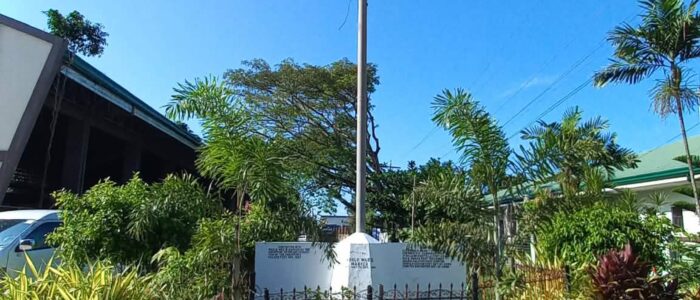
On February 27, 1943, Calape hosted the Calape Conference, uniting leaders of the Free Bohol Government to coordinate efforts against Japanese occupation. Notable attendees included Senator Carlos P. Garcia.
Calape Today
Now, Calape is a lively coastal town with strong local trade and beautiful natural attractions. Visitors can explore:
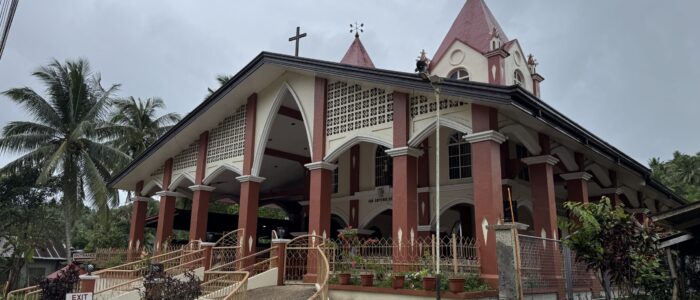
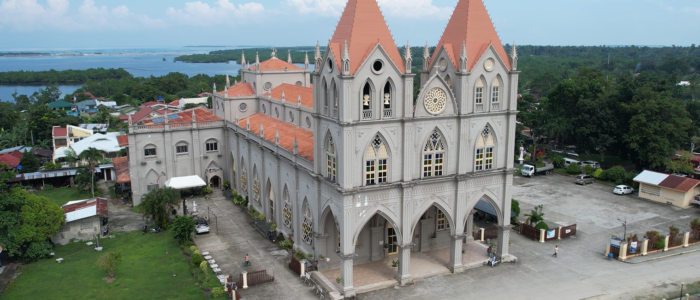
Cultural Landmarks: Historic churches and public plazas.
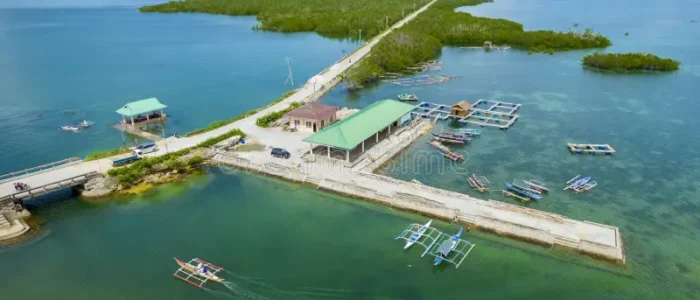
Pangangan Island: Relax on white sandy beaches and swim in crystal-clear waters.
Local Markets: Discover fresh seafood and handicrafts.