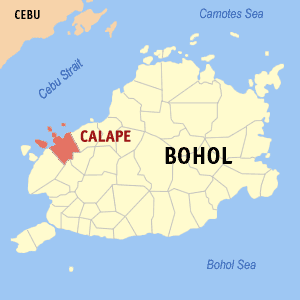
The name Calape is believed to come from the Cebuano word “kalapi,” a type of rattan that was once abundant in the area. Early inhabitants likely gathered and traded this rattan, which was commonly used for making furniture, baskets, and handicrafts.
Another belief is that the name refers to a place where traders and fishermen often gathered, making Calape an early center of local trade.
Spanish Colonial Era (1565–1898)
The arrival of the Spanish in the 16th century brought major changes to the area. The spelling of “Calape” also came from this period. While the original word used the letter “K,” Spanish writing usually used “C” or “Qu” for the same sound. Because of this, “kalapi” was written as “Calape” in official records.
Establishment as a Town
Calape was officially established as a town in 1802 by the Spanish governor of Cebu. This marked its growing population and importance in the region.
Connection to the Dagohoy Rebellion
In 1829, around 1,500 followers of the Dagohoy Rebellion settled in Calape. The Dagohoy uprising is known as the longest rebellion in Philippine history, lasting more than 80 years. This event highlights Calape’s place in the resistance against Spanish rule.
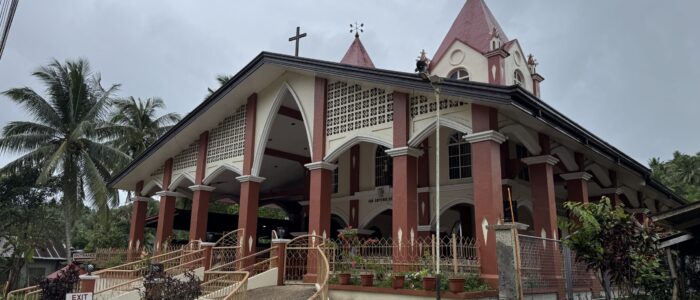
San Vicente Ferrer Parish Church
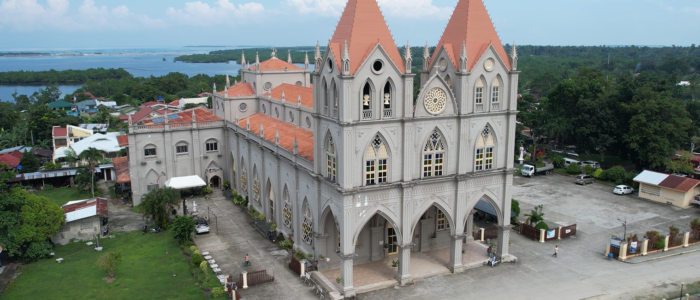
One of Calape’s most important historical landmarks is the San Vicente Ferrer Parish Church. Although much of the present structure was built between 1933 and 1954, its design reflects the earlier Spanish influence. In 2023, the church was officially declared a National Cultural Treasure by the National Museum of the Philippines.
American Colonial Period (1898–1946)
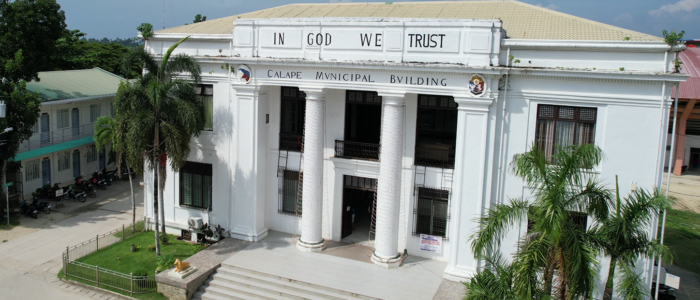
After the Spanish-American War, the Philippines came under American rule. During this time, new systems of governance were introduced, along with improvements in infrastructure and the expansion of public education.
Role During World War II
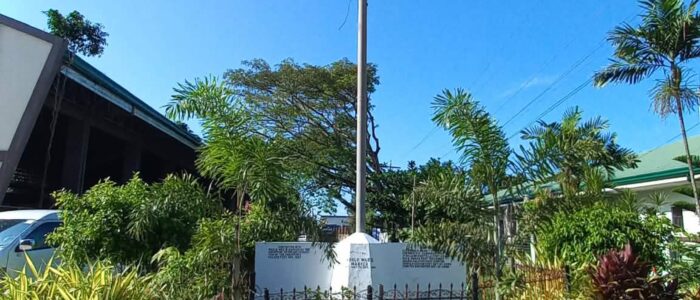
Calape also played an important role during World War II. On February 27, 1943, the Calape Conference was held in the town. This meeting brought together leaders of the Free Bohol Government to unify civilian and military efforts against Japanese occupation. Important figures such as Senator Carlos P. Garcia attended the conference.
Post-War and Modern Era
After the end of World War II in 1945, Calape began rebuilding and developing once again. Over time, it grew into an important municipality in western Bohol.
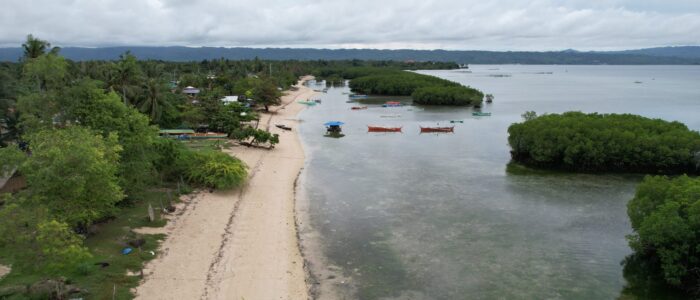
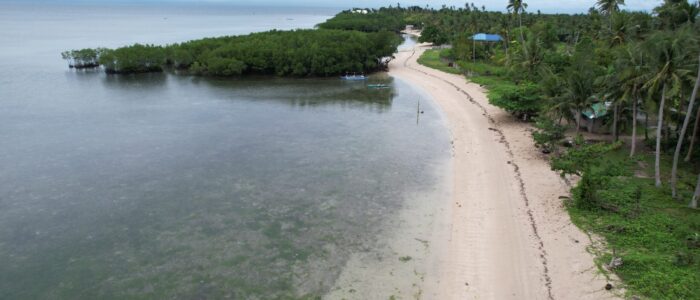
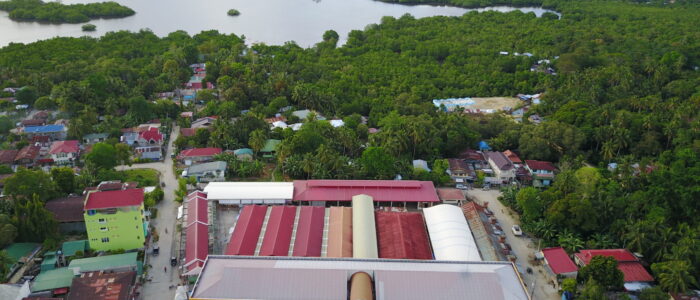
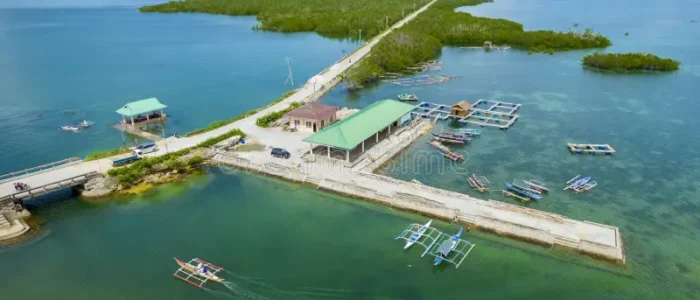
Today, Calape is known as a lively coastal town with strong local trade and a rich cultural heritage. The San Vicente Ferrer Parish Church remains one of its most recognizable landmarks, while nearby destinations like Pangangan Island attract visitors with their beautiful beaches and coastal scenery.