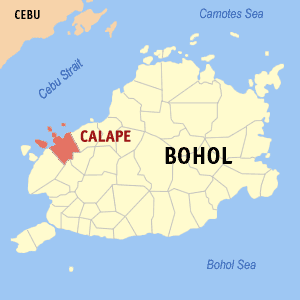
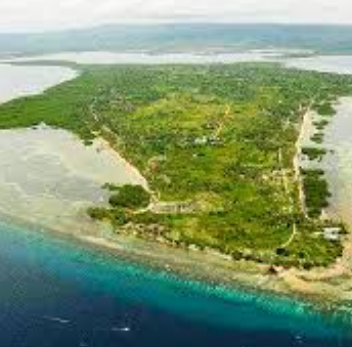
Pangangan Island is one of the defining geographical and cultural features of Calape, Bohol — not some glamorous tropical postcard, but a place where geography, community effort, and everyday life intersect in a very real way.
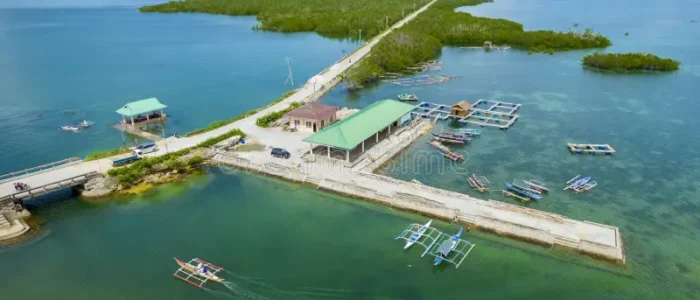
Before road connections existed, families on Pangangan had to cross tidal flats on foot or by small boats just to reach the town proper — not exactly ideal when markets, services, and schools were all on the mainland. That changed in the 1950s when locals banded together to build a 3.5‑kilometer causeway out of coral and limestone, linking the island by land to Calape. Vehicles could finally pass, but the low‑lying road was vulnerable to waves and storms.
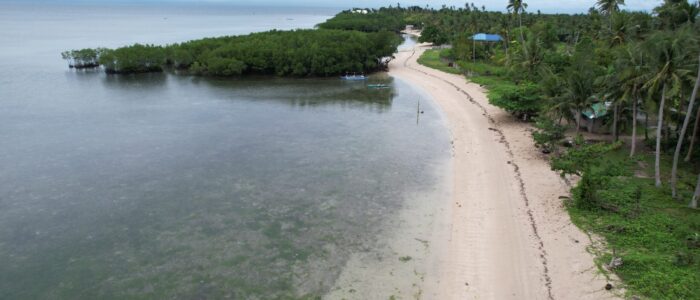
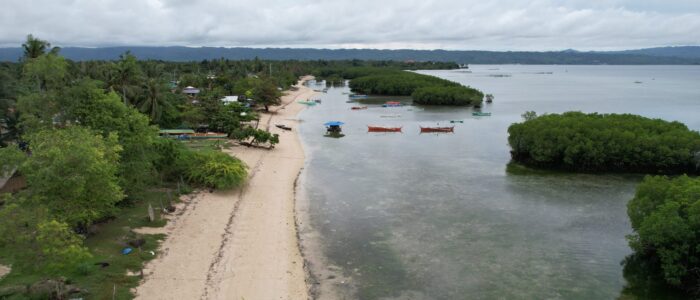
The turning point wasn’t an engineered seawall — it was mangrove trees. School principals like Felipe Josol Ytac Sr. and Anastacio Toloy organized students and residents to plant mangroves along the causeway edges starting in the late 1950s. Over decades the mangroves spread, forming a living buffer that now protects the causeway from typhoons and erosion and fosters rich marine life around the island. This wasn’t a top‑down conservation project — it grew from community action and became the backbone of the island’s ecological defense.
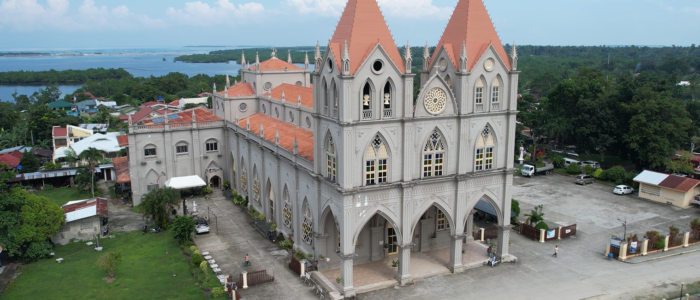
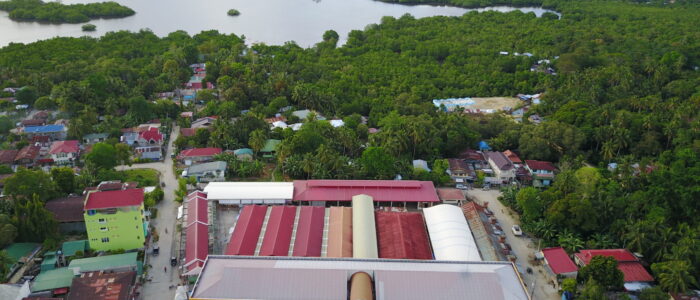
Today Pangangan isn’t just noteworthy for its causeway and mangroves. Its eight barangays (Lawis, Talisay, Kinabag‑an, Magtongtong, Madangog, Looc, Lomboy, and Kahayag) reflect a settlement that grew from fishing and small‑scale farming into a connected community with its own rhythm of life.
The island’s coastal waters and beaches are quieter and less developed than Bohol’s more famous tourist hubs, but they offer snorkeling, swimming, and boating opportunities for those who value calm, natural surroundings over crowds. Resorts like small beachfront stays cater to visitors looking for a slower pace, and local boat operators still make regular trips for residents and guests alike.
In essence, Pangangan Island is a community‑built bridge between nature and daily life — an island that’s part practical lifeline, part ecological success story, and fully woven into Calape’s identity.